


Every story deserves to be heard.
Voices of Vanishing Places exists to preserve the historical sites that hold the stories of our people and document them to strengthen the multiculturalism of Singapore.
Why This Project Exists
Singapore's rapid modernization is remarkable. But it comes at a cost. Historic neighborhoods are redeveloped. Minority communities lose the spaces where they gathered for generations. Cultural traditions fade when there's no physical place to practice them.
This raises hard questions: Whose stories are preserved? Whose stories are lost? What happens to cultural identity when the places that defined it disappear?
Interview and Record Stories
These aren't just historical records. They're conversations with real people about what they've lost, what they remember, and what they want future generations to know.
Documenting Everything
Through this website, podcasts, articles, and media submissions from the community, we're creating a digital space where these stories can be accessed by anyone, anywhere.
Advocate for What's Still Here
We don't just commemorate what's gone. Through exhibits, community initiatives, and partnerships, we work to protect the heritage sites and traditions that still exist but are at risk.
What Sets This Project Apart
Deeply Local, Deeply Personal
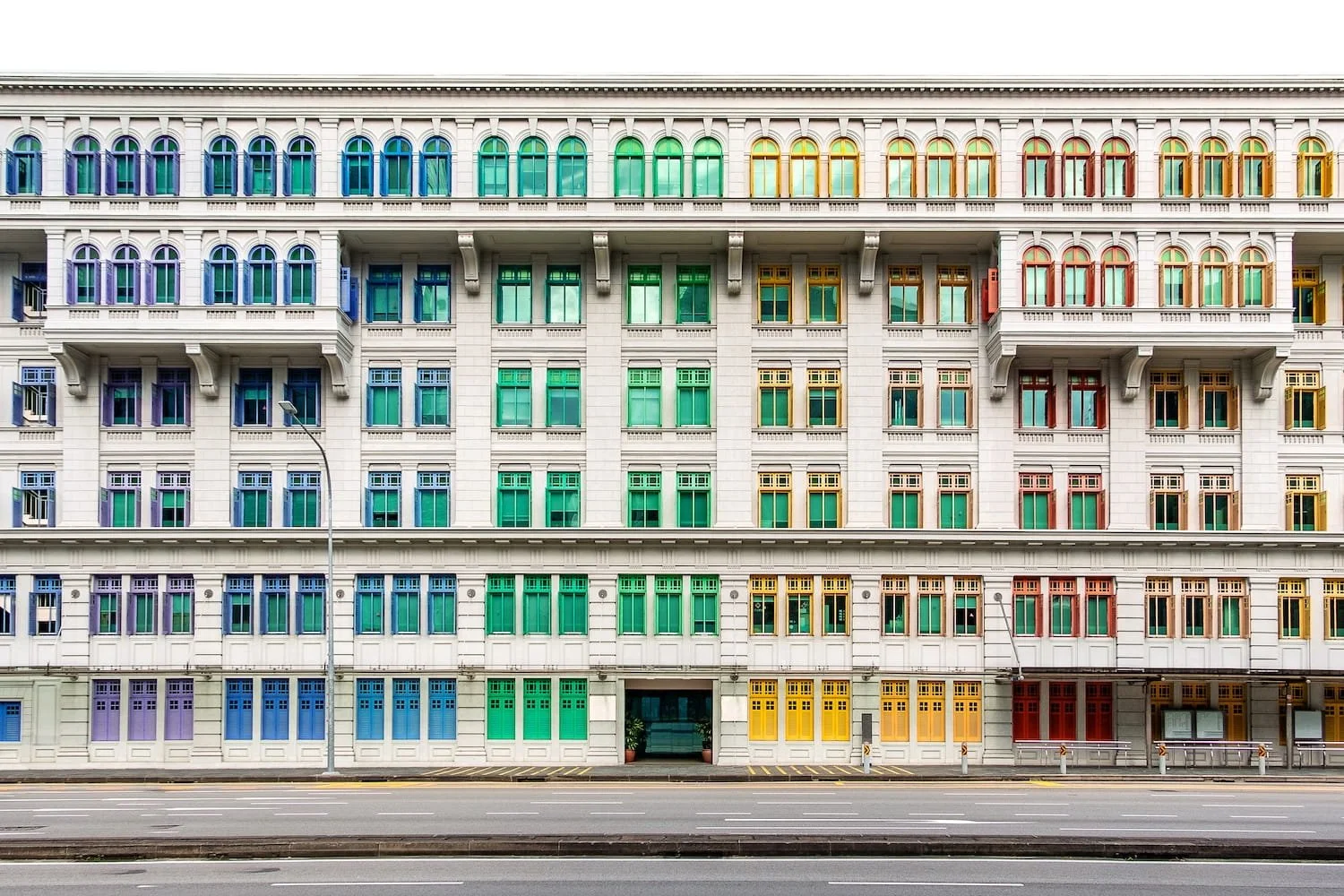
This isn't a general preservation project. It's hyperlocal, focused on Singapore's specific cultural complexities. Singapore is recognized for multiculturalism, but what does that harmony cost? What gets sacrificed for balance? This project looks at those uncomfortable questions.
Primary Sources, Modern Voices
We don't just pull from historical records. We talk to people living today: elderly residents with firsthand memories, middle-aged adults watching their childhood neighborhoods change, and younger generations trying to understand their heritage.
Action, Not Just Awareness
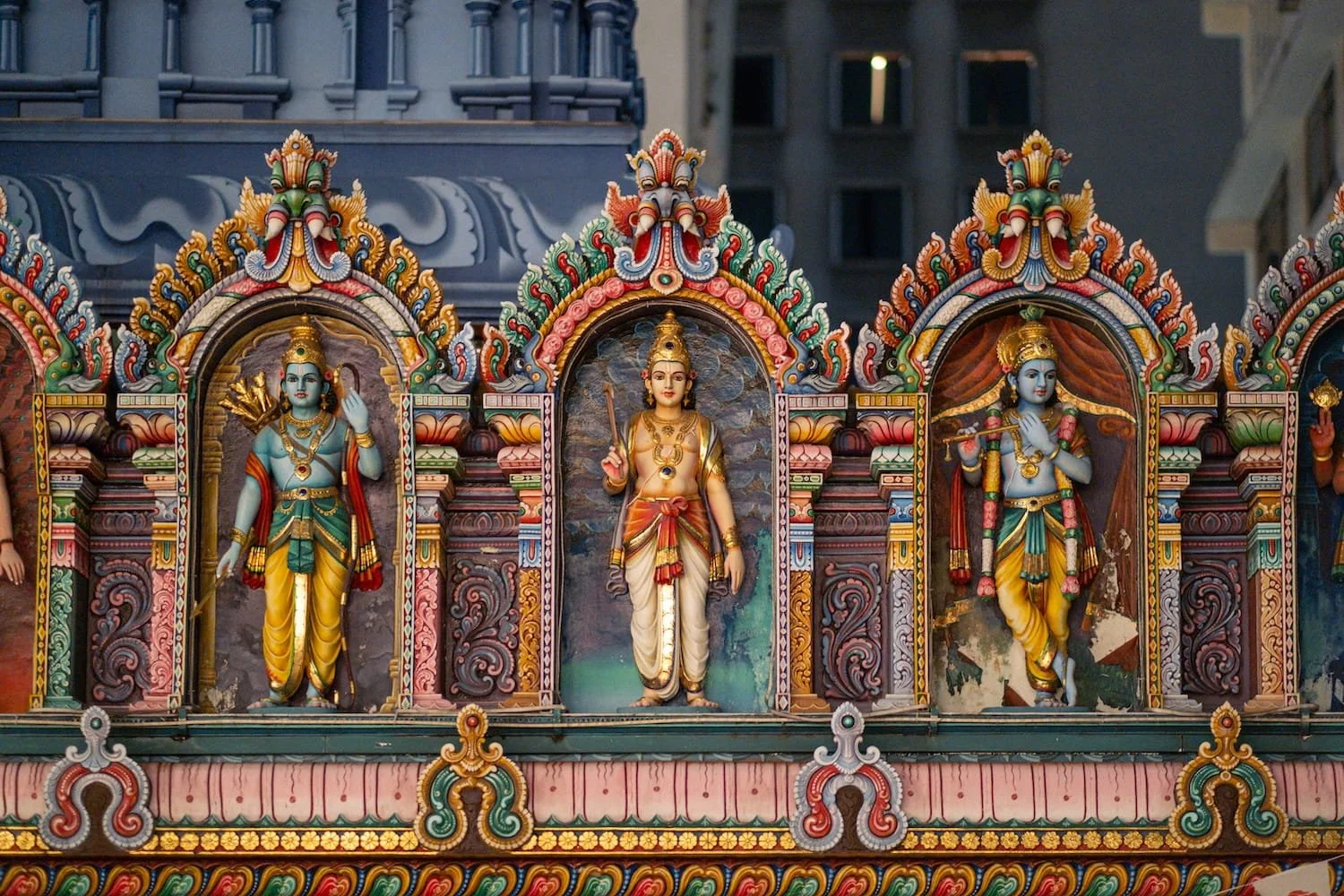
Many heritage projects stop at documentation. We go further. Through exhibits, social media campaigns, and community events, we're advocating for real change and working to preserve what can still be saved.
Community-Driven Archive
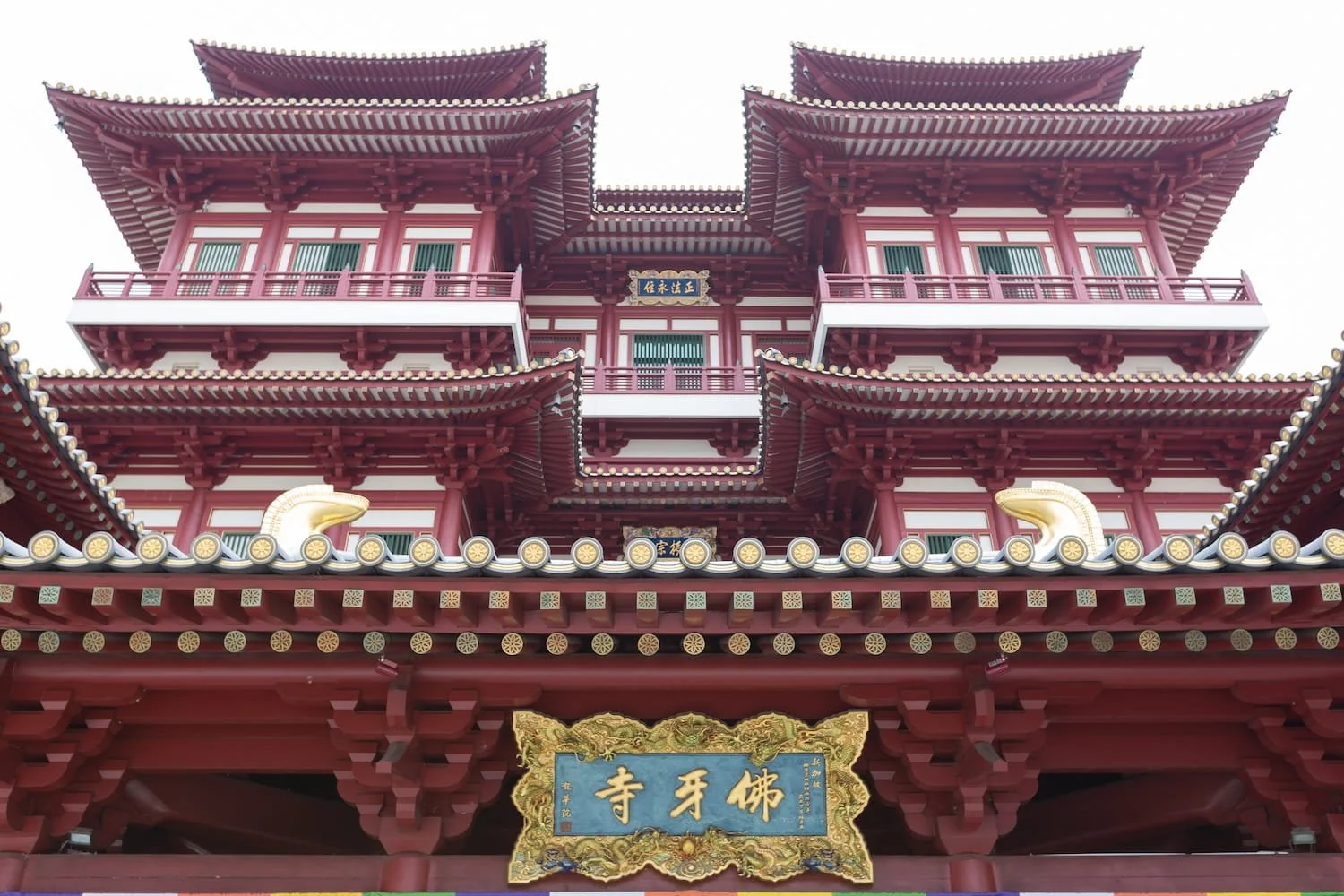
This archive grows with community participation. Anyone can submit photos, request an interview, or suggest a place that deserves documentation. Your voice can become part of this project.
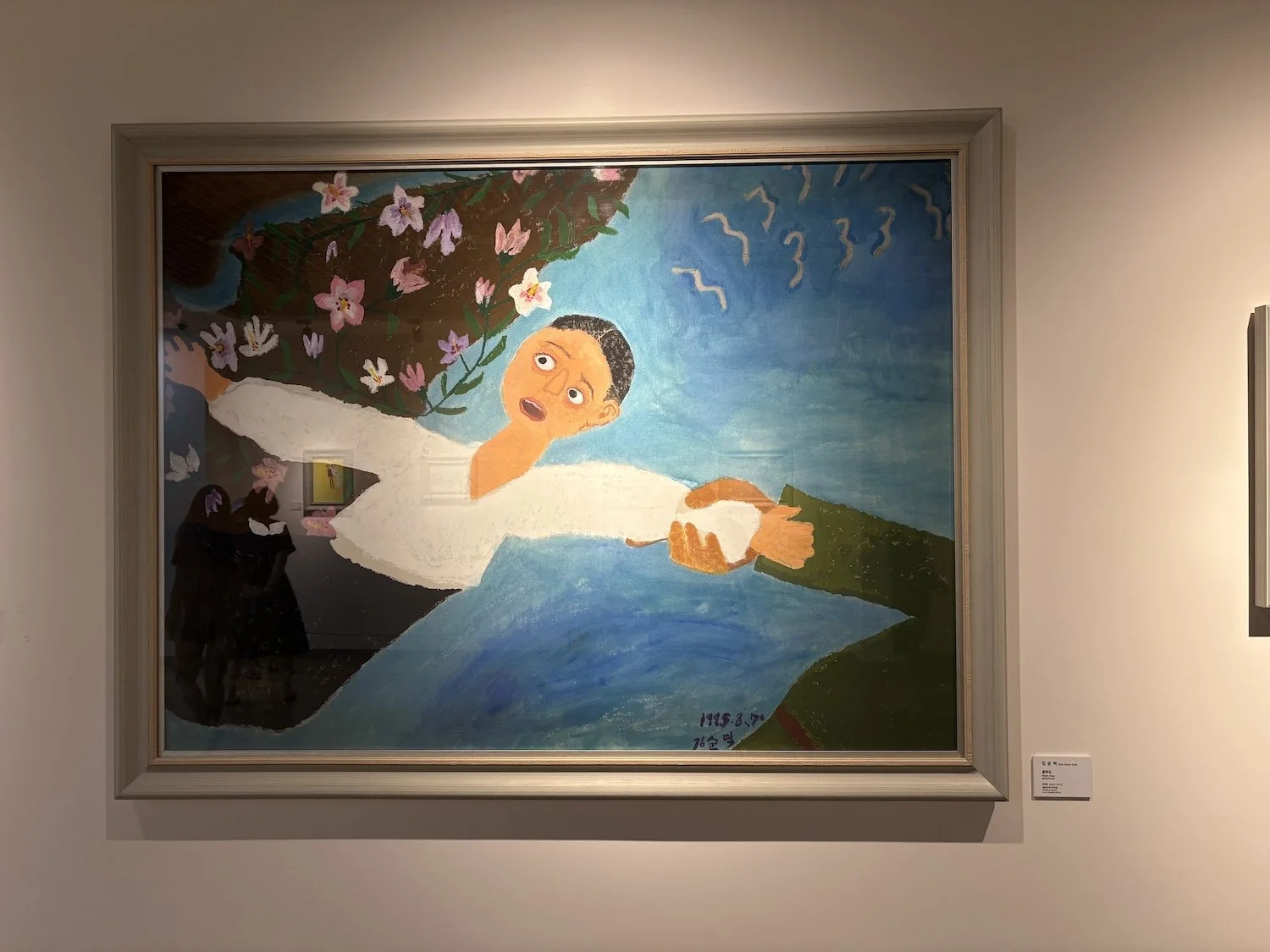
How It All Started
In the summer of 2025, I visited the House of Sharing, a nursing home and museum in Daegu, South Korea, dedicated to surviving comfort women (victims of Japanese sexual violence before and during World War II).
I met Lee Yong Soo, one of the survivors. Her resilience was incredible. But what struck me most was the museum itself: a physical space preserving stories that otherwise might have been forgotten. The building, exhibits, and artifacts all created a space where these women's experiences could be told and honored.
Then I learned that the House of Sharing is at risk of disappearing. The surviving women have moved to other facilities. Without them, the building's future is uncertain. It made me realize something important: when places disappear, the stories connected to them disappear too.
That visit made me think about Singapore. I'm an international student at the Singapore American School, but I've spent years exploring Singapore's neighborhoods, talking with local elderly residents, and learning about histories that aren't widely taught. I've watched places I cared about get torn down. I've heard people say, "I wish I'd recorded my grandmother's stories before she passed."
I realized I could take action on this. Voices of Vanishing Places was born from that realization.
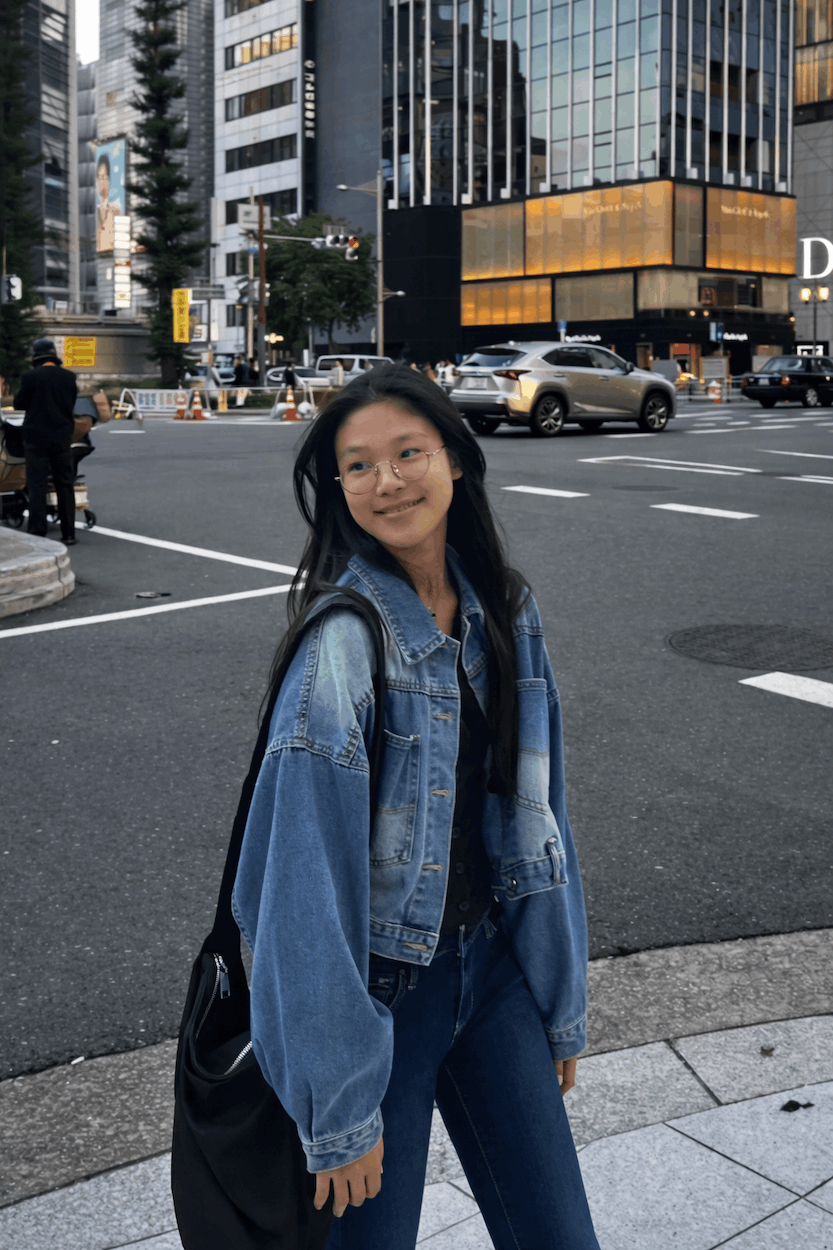
Christine Oh
Christine Oh is the founder of Voices of Vanishing Places. As a current international student at the Singapore American School, Christine has explored her interests in social studies, anthropology, and media within a rigorous academic environment.
Beyond the classroom, Christine works directly with local elderly communities, conducts oral history interviews, writes articles, and photographs historical sites to experience Singapore's authentic culture and history firsthand. This project combines her academic interests with hands-on community engagement to preserve the voices that matter most.