

ISEAS - Yusof Ishak Institute
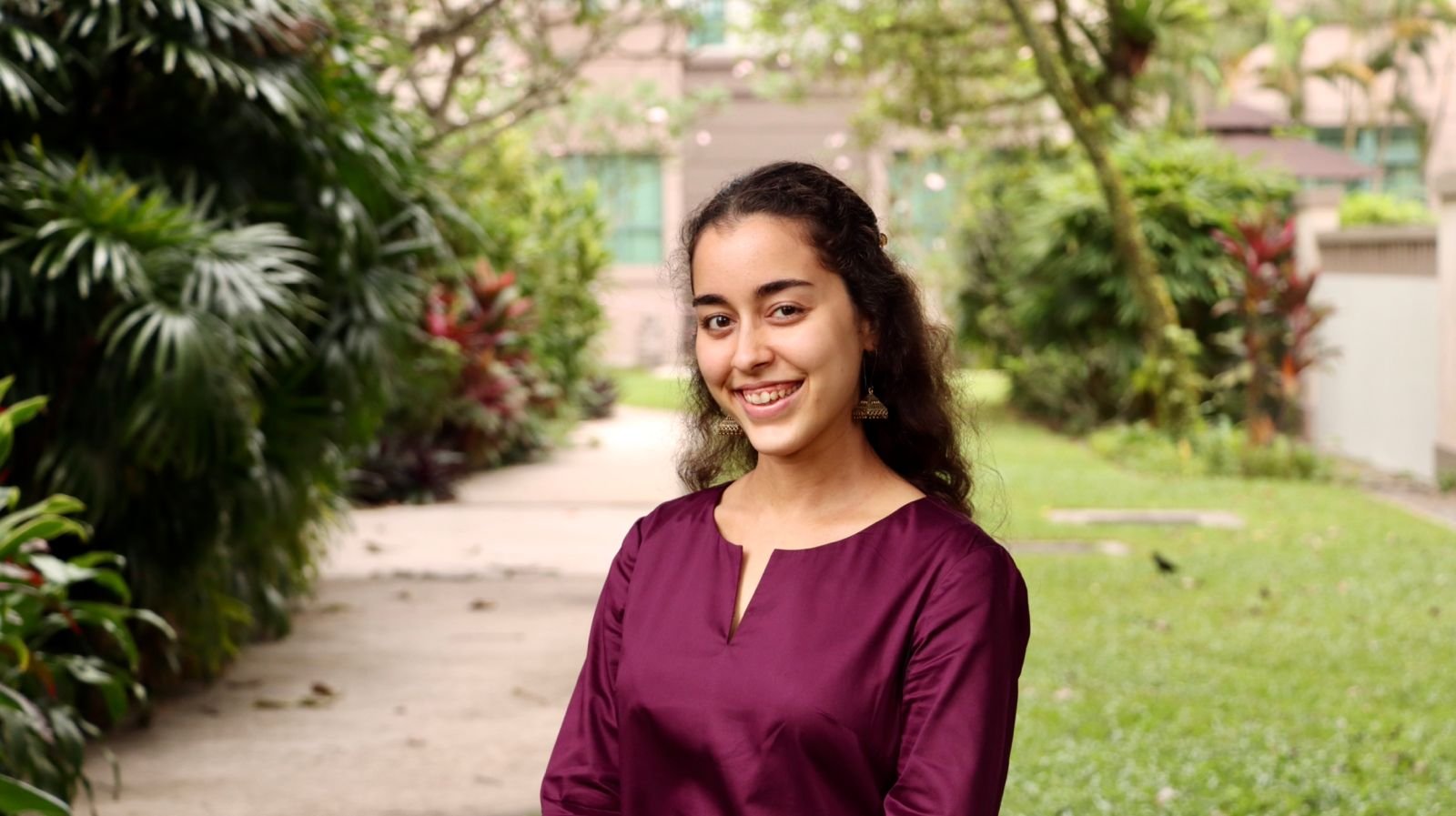
“What museums can't showcase is the intangible…the spirit and soul of the gatherings, the smell of perfume, the scents. The social networks and the defining atmosphere of communal life are the two key things that I feel museums definitely can't capture.”
- Ms. Afra Alatas, a Senior Research Officer & a descendant of the Alatas Arab Family
Ms. Afra Alatas
The Peranakan community is Singapore’s long-lost brother; they have coexisted with our community for more than 200 years (since the 1800s), yet the majority of Singaporeans—especially expats like me—have never heard of them. On my end, I first heard of the Peranakan community in April 2026, when I delved deeper into the beautiful architecture of one of the buildings in Orchard. I’d visited Orchard numerous times during my time in Singapore, but I had previously focused only on the new clothing shops or the trendy cafes inside the buildings, without understanding the history behind them.
Ms. Afra Alatas, a descendant of the Alatas Arab Peranakan family, faces a dilemma stemming from this common phenomenon: Singapore’s urbanization commercializes her culture rather than spreading meaningful awareness through heritage. While there are a few Peranakan restaurants or stores around us, most of the community’s traditions are reflected in exterior architecture, such as tiles and patterns, which are limited to aesthetic purposes. During the interview, Ms. Alatas mentioned that she appreciates this commercialization in a way, as it can spark interest in Peranakan culture, yet acknowledges that onlookers may only experience a temporary curiosity; most are unlikely to engage more deeply with this often-overlooked part of Singapore’s heritage.
However, we may know more about the Peranakan community than we think. The major families, such as the Alatases, the Al Junids, and the Asagaps, are memorable names recorded in Singapore's historical archives. They have greatly contributed to the nation-building process, for example, by funding infrastructure such as hospitals and public buildings. Despite these efforts and their long-standing intergenerational ties to Singapore, Peranakan are still classified as “other” within the prominent CMIO (Chinese, Malay, Indian, and Others) category from both governmental and societal perspectives. As a result, Peranakans have to confront the harsh reality of being a minority within a minority, which presents significant roadblocks in their efforts to integrate themselves into Singapore’s community at large.
As Singaporeans (whether the term refers to citizens, permanent residents, or even foreigners like me), we can raise awareness of the Peranakan culture's marvelous heritage through the 3 S’s: See, Speak, and Spread. See and learn about their culture in various locations, such as the Peranakan Museum or the Singapore Peranakan Mansion on Joo Chiat Road. Speak about their traditions with your friends and family, as they are our partners, brothers, and neighbors in our community. If you have a peer of Peranakan origin, ask them if they have an interesting family story or tradition to share! Lastly, spread this information, whether in class discussions, over coffee tables, or on social media platforms. Collectively, these actions will allow us not only to preserve parts of our multicultural heritage but also to recognize and embrace broader, more inclusive conceptions of identity and belonging in Singapore.
ISEAS - Yusof Ishak Institute
30 Heng Mui Keng Ter, Singapore 119614
